Why Using a Bread Box Is a Good Idea (7 Reasons)
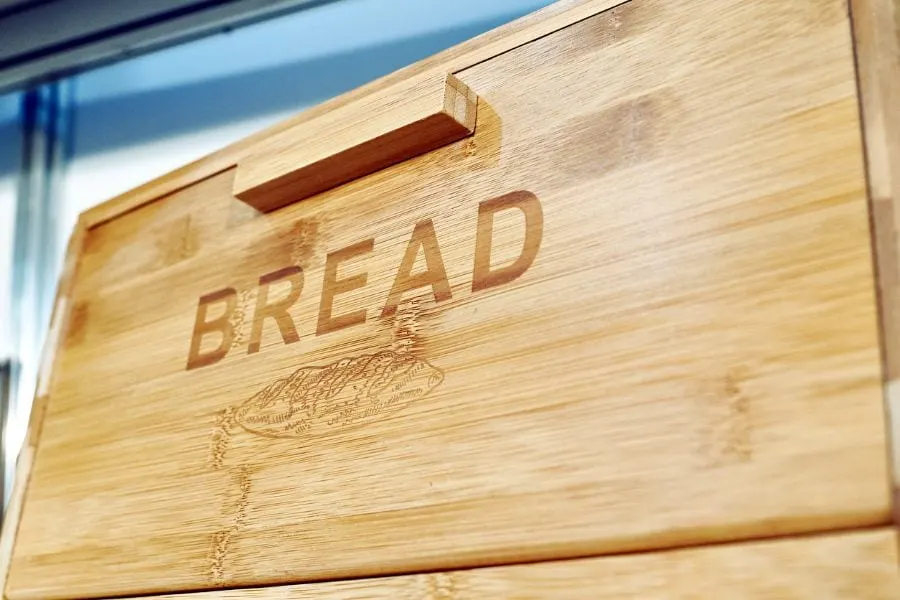
Bread is one of the most widely consumed staple foods in households around the world, yet it is also one of the most sensitive when it comes to storage. Many people unknowingly store bread in plastic bags, on kitchen counters, or inside refrigerators, thinking these methods will keep it fresh for longer.
In reality, these common practices often lead to faster staling, unwanted dryness, or even mold growth, which reduces both the quality and lifespan of the bread. As a result, a significant amount of bread is wasted every day in homes simply because it was not stored properly.
A bread box offers a simple and effective solution to this everyday problem. It is a specially designed container that helps maintain an ideal environment for storing bread at room temperature.
Unlike plastic bags that trap too much moisture or open-air storage that causes rapid drying, a bread box creates a balanced atmosphere with controlled airflow and humidity. This balance helps preserve both texture and flavor for a longer time.
In modern kitchens, where convenience, freshness, and reducing food waste are important, bread boxes are becoming popular again. They are not just nostalgic kitchen items but practical storage tools. In this article, we will explore why using a bread box is a good idea and highlight seven important reasons that make it a valuable addition to any kitchen.
What Is a Bread Box?

A bread box is a kitchen storage container specifically designed to keep bread fresh at room temperature. It helps regulate airflow and moisture levels around baked goods to slow down staling and prevent mold formation.
Bread boxes are commonly made from materials like wood, stainless steel, or plastic, each offering different benefits in terms of durability, design, and breathability.
Why Using a Bread Box Is a Good Idea (7 Reasons)
Mold growth occurs when bread is stored in overly humid conditions without proper ventilation. Many storage methods accidentally create this environment, especially sealed plastic bags. A bread box helps avoid this issue by allowing gentle airflow that reduces excess moisture buildup.
1. Keeps Bread Fresh for Longer
A bread box helps maintain a stable environment that slows down the natural process of bread drying out. By balancing airflow and humidity, it ensures that bread does not lose moisture too quickly. This helps preserve a soft interior and a pleasant crust texture for a longer period of time.
Unlike plastic bags that trap excess moisture or open-air storage that causes rapid drying, a bread box creates controlled conditions. This makes it one of the most effective ways to extend bread freshness without refrigeration.
2. Prevents Bread from Becoming Stale Quickly
Bread becomes stale when moisture leaves the starch structure and changes its texture. This process happens faster when bread is exposed to constant air circulation. A bread box reduces direct exposure to air, slowing down the staling process significantly.
As a result, bread remains softer and more enjoyable to eat for several additional days. This is especially useful for families who do not consume bread daily.
3. Reduces Mold Growth Risk
Mold growth occurs when bread is stored in overly humid conditions without proper ventilation. Many storage methods accidentally create this environment, especially sealed plastic bags. A bread box helps avoid this issue by allowing gentle airflow that reduces excess moisture buildup.
This balanced environment slows down mold development and keeps bread safer for consumption. Proper use of a bread box can significantly extend the safe eating window of stored bread.
4. Helps Organize Your Kitchen
A bread box provides a dedicated storage space for bread and baked goods, which helps reduce clutter in the kitchen. Instead of leaving bread packets on countertops or inside random cabinets, everything stays neatly stored in one place.
This improves kitchen organization and creates a cleaner, more visually appealing cooking space. It also makes it easier to find and access bread when needed.
5. Preserves Flavor and Texture
Bread that is left exposed to air tends to lose its natural flavor and texture quickly. It can become either too dry or overly chewy depending on environmental conditions. A bread box helps maintain stable storage conditions that protect the original taste and texture.
This ensures that every slice retains more of its freshly baked quality. It enhances the overall eating experience without requiring any additional effort.
6. Reduces Food Waste
When bread goes stale or molds too quickly, it is often thrown away before it is fully consumed. This contributes to unnecessary food waste in households. A bread box helps extend the usable life of bread, allowing families to finish it before it spoils.
Over time, this leads to less waste and better use of groceries. It also helps save money by reducing frequent bread replacements.
7. Eco-Friendly and Cost-Effective Solution
A bread box does not require electricity or any special maintenance to function. It works naturally by controlling airflow and humidity. This makes it an environmentally friendly storage solution compared to refrigeration or disposable plastic storage.
It is also a one-time investment that can last for years, making it cost-effective in the long run. Its durability and efficiency make it a practical choice for sustainable kitchens.
How a Bread Box Works
A bread box does not require electricity or any special maintenance to function. It works naturally by controlling airflow and humidity. This makes it an environmentally friendly storage solution compared to refrigeration or disposable plastic storage.
Airflow Regulation
A bread box regulates airflow by allowing just enough ventilation to prevent moisture buildup while avoiding excessive drying. This balance is essential for maintaining bread quality over time.
Humidity Balance
Proper humidity control ensures that bread does not become too dry or too moist. A bread box naturally maintains this balance, reducing the risk of both staling and mold formation.
Temperature Stability
Since bread boxes are kept at room temperature, they provide a stable environment that slows down chemical changes in bread. This helps preserve freshness without refrigeration.
Types of Bread Boxes
Wooden Bread Boxes
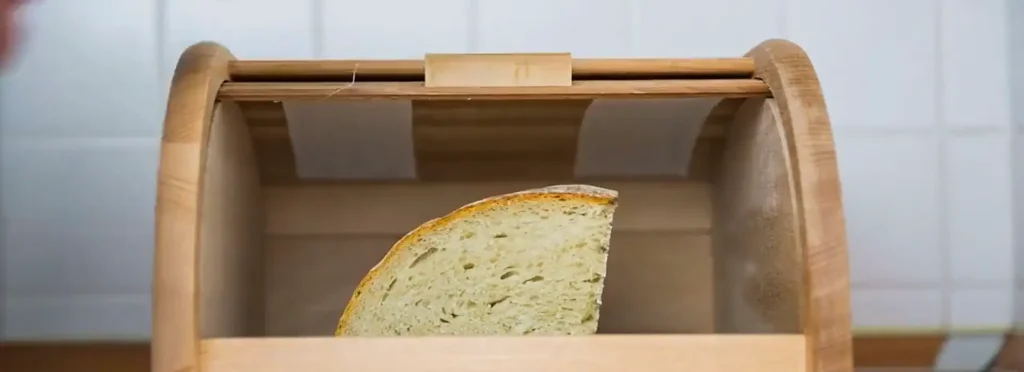
Wooden bread boxes offer natural breathability and a traditional aesthetic. They are effective at regulating moisture and are often preferred for classic kitchen styles.
Stainless Steel Bread Boxes
Stainless steel bread boxes are durable, modern, and easy to clean. They resist odors and are ideal for contemporary kitchens.
Plastic Bread Boxes
Plastic bread boxes are lightweight and affordable, making them accessible to most households. However, they may not offer the same durability or natural moisture control as other materials.
Tips for Using a Bread Box Effectively
Plastic bread boxes are lightweight and affordable, making them accessible to most households. However, they may not offer the same durability or natural moisture control as other materials.
Do Not Overcrowd the Box
Overcrowding reduces airflow inside the bread box, which can negatively affect freshness. Keeping enough space ensures proper air circulation.
Clean Regularly
Regular cleaning prevents crumbs and moisture buildup inside the bread box. This helps maintain hygiene and improves bread quality.
Store Only Room Temperature Bread
Hot bread should never be placed directly into a bread box because steam increases moisture levels. Always allow bread to cool before storing it.
What to Avoid When Storing Bread
Plastic bread boxes are lightweight and affordable, making them accessible to most households. However, they may not offer the same durability or natural moisture control as other materials.
Avoid Plastic Bags for Long-Term Storage
Plastic bags trap moisture and often accelerate mold growth. They are not suitable for long-term bread storage.
Avoid Refrigerating Bread
Refrigeration speeds up the staling process due to starch crystallization. This makes bread dry and less enjoyable.
Avoid Leaving Bread Exposed
Leaving bread in open air causes it to dry out quickly and become stale. A bread box provides necessary protection against these issues.
Why Every Kitchen Should Have a Bread Box
A bread box is a simple yet highly effective kitchen tool that improves bread storage significantly. It helps maintain freshness, reduces waste, and keeps kitchens more organized. Its benefits apply to all types of households, whether small or large.
The long-term advantages make it a practical and worthwhile addition to any kitchen setup.
Final Thoughts
Using a bread box is an easy and smart way to improve how bread is stored at home. It helps maintain freshness, preserves flavor, and reduces unnecessary waste. With its simple design and long-lasting benefits, a bread box remains one of the most effective and underrated kitchen storage solutions available today.