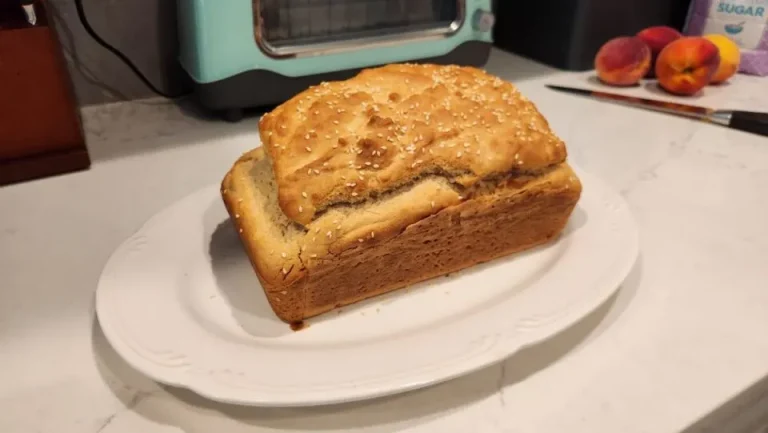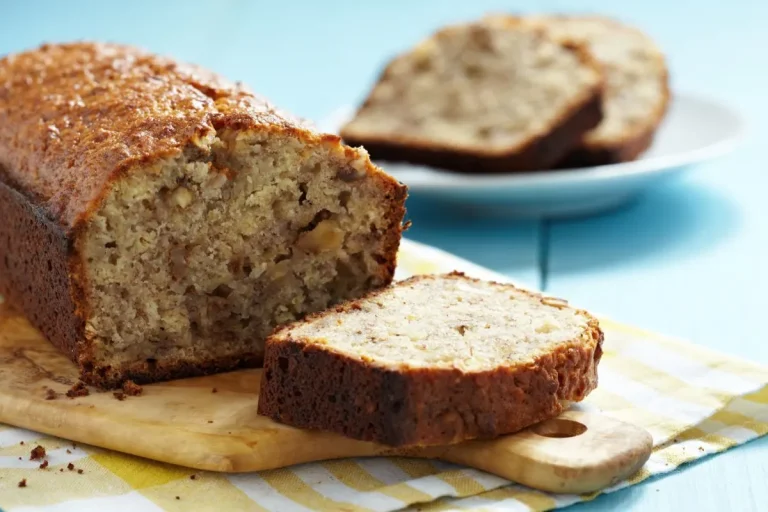
Best Yeast and Dairy Free Sandwich Bread Guide

Are you looking for a soft, fluffy, and delicious sandwich bread without yeast or dairy? You’re not alone. Many people choose yeast and dairy free bread because of allergies, dietary preferences, or the desire for a quicker homemade bread recipe.
Unlike traditional bread, this version requires no proofing time and no dairy ingredients. It comes together quickly using simple pantry staples and delivers excellent texture for sandwiches, toast, and snacks.
The growing popularity of dairy-free and yeast-free baking has inspired home bakers to explore new alternatives. Fortunately, making delicious sandwich bread without these ingredients is easier than many people think.
In this comprehensive guide, you’ll learn everything you need to know about yeast and dairy free sandwich bread. From ingredients and benefits to baking tips and serving ideas, this article covers it all.
What Is Yeast and Dairy Free Sandwich Bread?
Yeast and dairy free sandwich bread is a quick bread made without traditional yeast and dairy products. Instead, it relies on alternative leavening agents such as baking powder and baking soda.
Traditional bread recipes often use yeast to create air pockets and a fluffy texture. In contrast, yeast-free bread rises through chemical reactions that occur during baking.
Dairy ingredients like milk, butter, and cream are also removed from the recipe. These ingredients are replaced with plant-based alternatives that provide moisture and flavor.
The result is a versatile loaf that works well for sandwiches, breakfast toast, and everyday meals. It offers convenience without sacrificing taste.
Another advantage is preparation speed. Since there is no dough proofing involved, the entire process can often be completed in less than one hour.
Why Choose Yeast and Dairy Free Sandwich Bread?
Many people are turning to yeast and dairy free bread for both health and convenience reasons. It accommodates a wide range of dietary needs while remaining delicious and satisfying.
Whether you’re avoiding dairy due to allergies or looking for a faster bread-making method, this bread offers a practical solution.
Suitable for Dairy Allergies
Dairy allergies can cause uncomfortable and sometimes serious reactions. Eliminating dairy from bread recipes helps create a safer option for affected individuals.
Many store-bought breads contain hidden dairy ingredients. Homemade dairy-free bread gives you complete control over what goes into your food.
Ideal for Lactose Intolerance
Millions of people struggle with lactose intolerance. Consuming dairy products can lead to digestive discomfort and other unpleasant symptoms.
Dairy-free sandwich bread eliminates these concerns while still providing a soft and enjoyable texture. It allows people to enjoy bread without digestive issues.
Faster Than Traditional Bread
One of the biggest advantages of yeast-free bread is speed. Traditional bread recipes often require several hours for rising and proofing.
Yeast-free bread skips these waiting periods entirely. You can mix the ingredients and place the loaf directly into the oven.
Beginner-Friendly
Working with yeast can be intimidating for new bakers. Small mistakes in temperature or timing can affect the final result.
Yeast-free recipes are generally much more forgiving. This makes them an excellent choice for beginners learning basic baking skills.
Convenient Ingredients
Most yeast and dairy free bread recipes use common household ingredients. There’s no need to purchase specialty products in most cases.
This convenience makes homemade baking more accessible. You can often prepare a loaf without making an extra trip to the grocery store.
Essential Ingredients for Yeast and Dairy Free Bread
Understanding the role of each ingredient can help you achieve consistent results. Every component contributes to the bread’s texture, flavor, and structure.
All-Purpose Flour
Flour serves as the foundation of the bread. It provides structure and supports the overall shape of the loaf.
All-purpose flour is a popular choice because it creates a balanced texture. It is soft enough for sandwiches while maintaining enough strength to hold together.
Baking Powder
Baking powder acts as the primary leavening agent. It helps the bread rise during baking without requiring yeast.
When heated, baking powder releases gases that create air pockets. These air pockets contribute to a lighter texture.
Baking Soda
Baking soda works alongside acidic ingredients to improve rise. It enhances the effectiveness of the baking powder.
Using both ingredients together often produces better texture and volume. This combination helps mimic some characteristics of traditional bread.
Salt
Salt enhances the overall flavor of the bread. Without it, the loaf can taste bland and unbalanced. It also supports the structure of the dough. Even a small amount can make a noticeable difference.
Dairy-Free Milk
Plant-based milk alternatives provide moisture and softness. They help replace the role of traditional dairy milk. Popular choices include oat milk, almond milk, soy milk, and rice milk. Each option offers slightly different flavors and textures.
Vegetable Oil
Oil helps keep the bread moist and tender. It prevents the loaf from becoming dry after baking. Many bakers prefer neutral oils such as canola or sunflower oil. These options allow the flavor of the bread to shine.
Apple Cider Vinegar
Apple cider vinegar reacts with baking soda during baking. This reaction creates bubbles that improve texture. The vinegar flavor disappears during baking. However, its effect on the loaf remains important.
Easy Yeast and Dairy Free Sandwich Bread Recipe
Making this bread is surprisingly simple. With a few ingredients and basic equipment, you can create a delicious homemade loaf.
Ingredients
- 3 cups all-purpose flour
- 1 tablespoon baking powder
- 1 teaspoon baking soda
- 1 teaspoon salt
- 2 tablespoons sugar
- 1½ cups dairy-free milk
- ¼ cup vegetable oil
- 1 tablespoon apple cider vinegar
Step 1: Preheat the Oven
Preheat your oven to 375°F (190°C). Prepare a loaf pan by lightly greasing it. Proper oven temperature ensures even baking. Starting with a hot oven helps achieve a better rise.
Step 2: Mix Dry Ingredients
Add the flour, baking powder, baking soda, salt, and sugar to a large bowl. Whisk thoroughly until evenly combined. Proper mixing helps distribute the leavening agents. This contributes to a consistent texture throughout the loaf.
Step 3: Combine Wet Ingredients
In a separate bowl, combine the dairy-free milk, oil, and apple cider vinegar. Stir gently until mixed. Allow the mixture to sit briefly. This helps activate the reaction between the ingredients.
Step 4: Prepare the Batter
Pour the wet ingredients into the dry ingredients. Stir until everything is just combined. Avoid overmixing the batter. Excess mixing can lead to a dense loaf.
Step 5: Transfer to the Pan
Pour the batter into the prepared loaf pan. Smooth the top using a spatula. A level surface encourages even baking. This also improves the appearance of the finished loaf.
Step 6: Bake
Bake for approximately 35 to 45 minutes. The bread is ready when a toothpick comes out clean. Oven times may vary slightly. Monitor the loaf closely during the final minutes.
Step 7: Cool Completely
Allow the bread to cool in the pan for ten minutes. Then transfer it to a wire rack. Cooling helps the loaf set properly. It also makes slicing easier.
Expert Tips for Perfect Results
Small adjustments can make a significant difference in the final product. Following these tips can improve consistency and texture.
Measure Ingredients Accurately
Accurate measurements are essential for baking success. Too much flour can make the bread dry and dense. Using measuring cups correctly helps maintain balance. Leveling flour with a knife improves accuracy.
Avoid Overmixing
Overmixing develops excess gluten in the batter. This can create a tougher texture. Mix only until the ingredients are combined. A few small lumps are perfectly acceptable.
Use Fresh Leavening Agents
Old baking powder and baking soda lose effectiveness over time. This can reduce the loaf’s rise. Check expiration dates regularly. Fresh ingredients produce better results.
Test for Doneness
A golden-brown exterior is a good sign, but it isn’t always enough. Using a toothpick provides a more reliable test. If the toothpick comes out clean, the bread is likely done. If not, continue baking for a few more minutes.
Common Mistakes to Avoid
Even simple recipes can present challenges. Understanding common mistakes can help you avoid disappointment.
Dense Bread
Dense bread often results from overmixing. It can also occur when too much flour is used. Measuring carefully and mixing gently can solve this problem. These small adjustments make a noticeable difference.
Dry Texture
Dry bread may result from overbaking. Insufficient moisture can also contribute to this issue. Using the correct amount of liquid helps maintain softness. Monitoring baking time is equally important.
Uneven Baking
Uneven baking may occur if the oven temperature is inconsistent. Poor batter distribution can also be a factor. An oven thermometer can improve accuracy. Smoothing the batter before baking also helps.
Creative Variations to Try
One of the best things about homemade bread is customization. Small ingredient changes can create exciting new flavors.
Whole Wheat Version
Replace half of the all-purpose flour with whole wheat flour. This increases fiber and nutritional value. The bread will have a slightly nuttier flavor. It also develops a heartier texture.
Seeded Sandwich Bread
Add sunflower seeds, pumpkin seeds, or sesame seeds. These ingredients provide extra crunch and nutrients. Seeds also enhance visual appeal. They create a more artisan-style loaf.
Herb Bread
Fresh or dried herbs can transform the flavor profile. Rosemary, thyme, and oregano work especially well. Herb bread pairs beautifully with soups and salads. It also makes unique sandwiches.
Cinnamon Raisin Bread
Add cinnamon and raisins for a sweeter variation. This version is perfect for breakfast. Serve it toasted with a dairy-free spread. It also works well with fruit toppings.
Best Ways to Serve Yeast and Dairy Free Bread
This versatile bread fits into countless meal ideas. It can be enjoyed throughout the day.
Breakfast Toast
Toast a slice and top it with peanut butter or almond butter. Fresh fruit also pairs wonderfully. Breakfast toast provides a simple yet satisfying start to the day. It is both quick and nutritious.
Healthy Sandwiches
Use the bread for turkey, chicken, or vegetable sandwiches. Its sturdy texture holds fillings well. Fresh vegetables add crunch and nutrition. Simple ingredients can create a delicious meal.
Snack Ideas
Cut the bread into small squares for dipping. Hummus and guacamole make excellent companions. This approach transforms basic bread into a fun snack. It’s ideal for gatherings or casual meals.
Storage and Freezing Guide
Proper storage helps maintain freshness and quality. Following a few simple steps can extend shelf life.
Room Temperature Storage
Store the bread in an airtight container. It typically remains fresh for two to three days. Keep it away from direct sunlight. Excess heat can accelerate staleness.
Refrigeration
Refrigeration can extend freshness for about a week. However, it may slightly affect texture. Wrapping the bread properly helps retain moisture. This reduces the risk of drying out.
Freezing
Freezing is ideal for long-term storage. Slice the loaf before freezing for convenience. Individual slices thaw quickly when needed. This makes meal preparation easier.
Frequently Asked Questions
Can I Make This Bread Vegan?
Yes, most yeast and dairy free recipes are naturally vegan. Just ensure all ingredients are plant-based. Always check labels carefully. Some products may contain hidden animal-derived ingredients.
Why Didn’t My Bread Rise?
Expired baking powder is a common cause. Overmixing can also reduce rise. Using fresh ingredients improves results. Proper mixing techniques are equally important.
Which Dairy-Free Milk Works Best?
Oat milk and soy milk are popular choices. They often create a soft and moist texture. However, other options can also work well. Experimentation helps determine your preference.
Can I Freeze the Bread?
Yes, freezing is highly recommended. It helps preserve freshness for several months. Wrap slices individually for convenience. This allows you to thaw only what you need.
Conclusion
Yeast and dairy free sandwich bread is a simple, delicious, and practical alternative to traditional bread. It requires minimal ingredients, no rising time, and delivers excellent results for sandwiches, toast, and everyday meals. Whether you’re avoiding dairy, skipping yeast, or simply looking for a faster homemade bread recipe, this versatile loaf deserves a place in your kitchen.